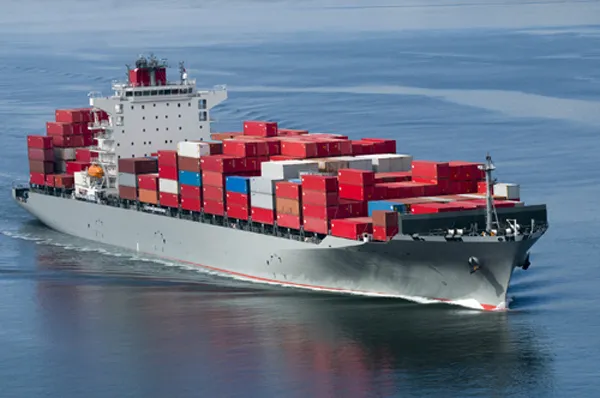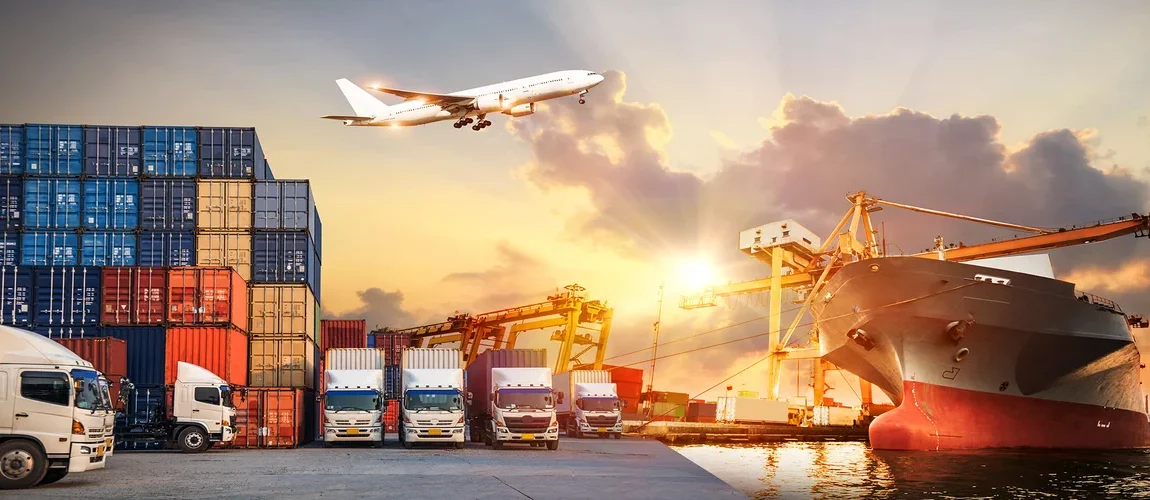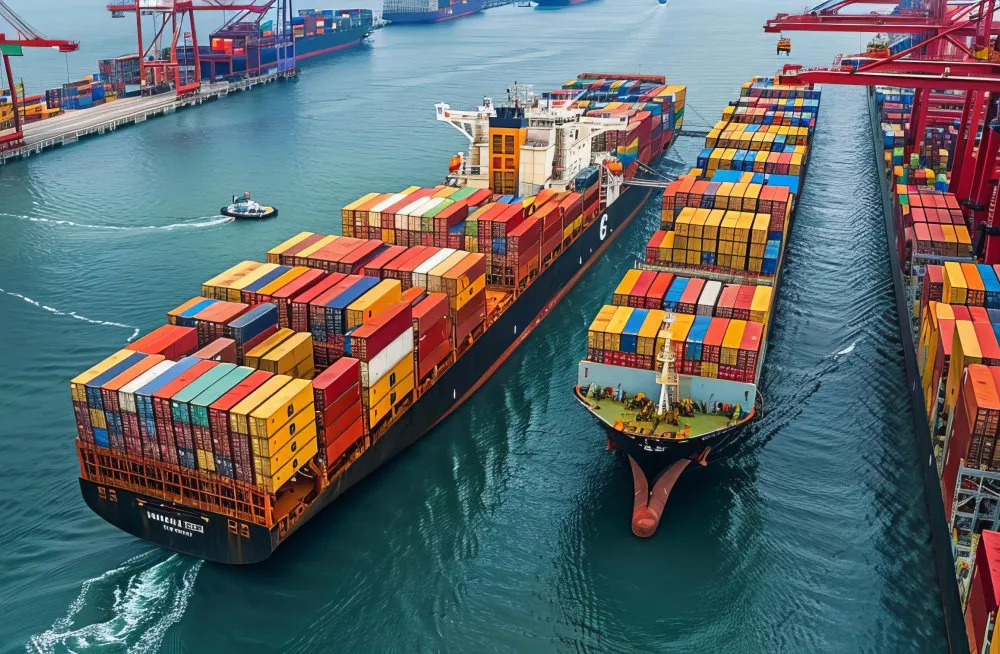
Export services include everything needed to send goods from Pakistan to another country through air or sea cargo channels. These services ensure that shipments meet global standards and comply with Pakistan Customs regulations.
Export services typically include:
- Freight forwarding
- Cargo booking (air & sea)
- Export documentation
- Packaging & labeling
- Customs clearance
- Form-E issuance
- Bank negotiation under SBP rules
- Export GD filing in WeBOC
- Destination delivery & tracking
These services allow exporters to focus on production while logistics professionals handle the technical process.
Pakistan Export Rules & Customs Requirements (2025)
Pakistan’s export structure is designed to promote global trade. Some items require no duty, while others require NOCs or regulatory permissions.
1. Export Duties (Pakistan 2025)
Pakistan generally does not charge customs duty on most export items, except:
| Item Category | Export Duty |
|---|---|
| Raw Hides & Skins | 20% |
| Waste Plastic | 20–25% |
| Scrap Metals | 15–20% |
| Unprocessed Food Crops | 10–20% |
| Minerals & Ores | 15–25% |
These duties encourage exporters to ship processed, value-added goods instead of raw materials.
2. Export Regulatory Requirements (2025)
Some categories require special approvals:
| Product | Requirement |
|---|---|
| Rice | REAP Registration |
| Leather | TDAP Certificate |
| Medical Items | DRAP NOC |
| Food Products | PSQCA Certification |
| Minerals | Mining License |
| Arms/Defense Items | MoD Permission |
Ensuring correct approvals avoids shipment delays and international compliance issues.
Export Documentation Requirements
To export goods from Pakistan, the following documents are mandatory:
- Commercial Invoice
- Packing List
- Form-E (issued by bank)
- Bill of Lading / Airway Bill
- HS Code (PCT Code)
- Export Contract / Purchase Order
- Certificate of Origin
- Insurance Certificate
- NOC (if applicable)
Accurate documentation ensures fast customs clearance and timely payments.
Export Services Process (Step-by-Step)
1. Export Contract Finalization
Buyer and seller agree on price, quantity, and Incoterms (FOB, CIF, DDP, etc.).
2. Freight Booking
The export service provider books cargo space via:
- Air Freight
- Sea Freight (FCL/LCL)
3. Packing & Labeling
Goods are professionally packed according to destination country requirements.
4. Form-E Issuance
The bank issues Form-E under SBP rules, allowing export proceeds to be received legally.
5. GD Filing in WeBOC
Exporter or customs agent submits details including:
- HS/PCT Code
- Export value
- Buyer details
6. Customs Examination
Exports go through:
- Green (no inspection)
- Yellow (document check)
- Red (physical inspection)
7. Customs Clearance
Once approved, cargo is released for loading.
8. Shipping & Document Handover
Airway Bill or Bill of Lading is issued, and all documents are sent to the buyer or bank.
Major Export Categories in Pakistan (2025)
| Category | Export Status |
|---|---|
| Textiles & Garments | Leading export |
| Rice (Basmati & Non-Basmati) | High demand globally |
| Leather Goods | Premium export category |
| Sports Goods (Sialkot) | Popular worldwide |
| Surgical Instruments | Major export industry |
| IT & Software | Fastest growing export |
| Minerals & Ores | Regulated with duties |
| Fruits & Vegetables | Seasonal, globally strong |
Benefits of Using Professional Export Services
Professional export service providers ensure:
- Quick customs clearance
- Proper Form-E handling
- Accurate documentation
- Lower shipping costs (better freight rates)
- Safe packing for international standards
- Fast delivery
- Reduced risk of delays or penalties
This helps exporters meet deadlines and maintain strong global client relationships.